About JRNY
The people
behind JRNY.
We’re a women-led research and evaluation consultancy. We work with local researchers, community organisations and programme teams because each sees things the others can miss.

Photo credit

Meet the team
Our team brings experience in evaluation, gender equality, humanitarian response and peacebuilding.
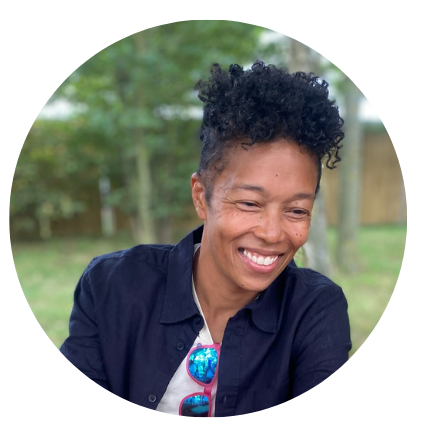
Dr Teia Rogers
Founder and Executive Director
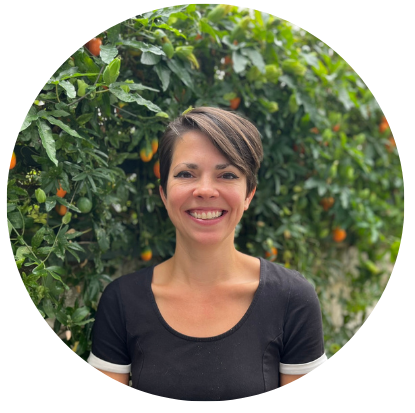
Susanna Davies
Head of Strategic Initiatives and Partnerships
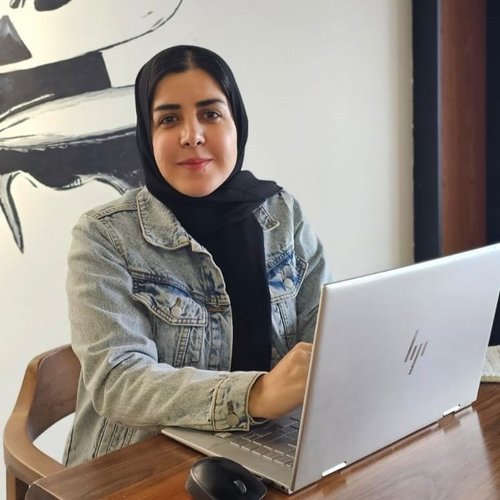
Aryan Yaba
Research and Evaluation
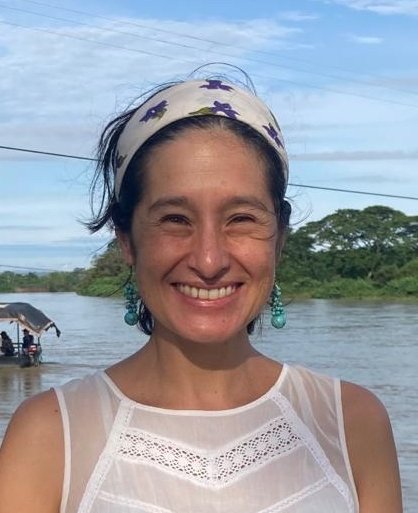
Natalia Lozano
Gender, Armed Conflict and Peacebuilding
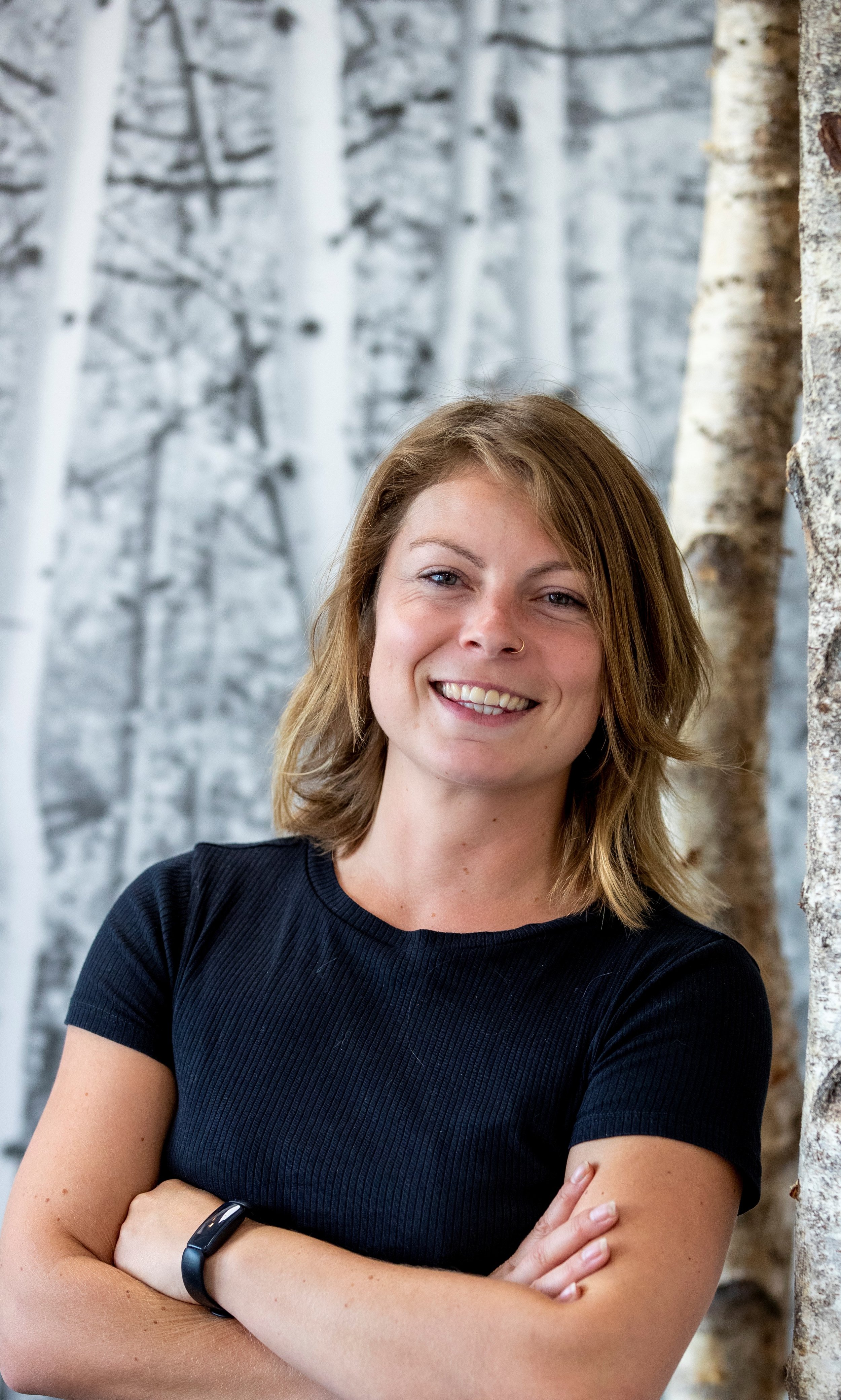
Sarah Pelham
Gender and Peacebuilding

David Kadason
Monitoring and Evaluation
How we work
The method matters.
So does who sets it.
A community can be consulted at every stage and still have little say in the decision. We agree at the beginning what people can influence and how they can challenge our reading of the evidence.
Ask who set the question.
Before choosing a method, we ask who defined success and what someone closer to the work would ask instead.
Make disagreement possible.
We give people ways to contribute in their own language and to question an interpretation before it becomes a finding.
Close the loop.
Agree who will hear back, in what form and who is responsible for acting on what people shared.
Our approach in the room
Who can take part
on their own terms?
The person who feels comfortable speaking in a meeting may be the only one you hear. We talk through language, timing, privacy and other ways of taking part with the people who know the setting.
We ask who has given their time, what we owe them in return and how they can challenge something we have got wrong.
In Cambodia, Colombia, Iraq and Nigeria, country researchers led the work of understanding local data practices. Comparing their findings made it possible to see which assumptions travelled and which needed questioning.
Read the four-country data studyStart a conversation